


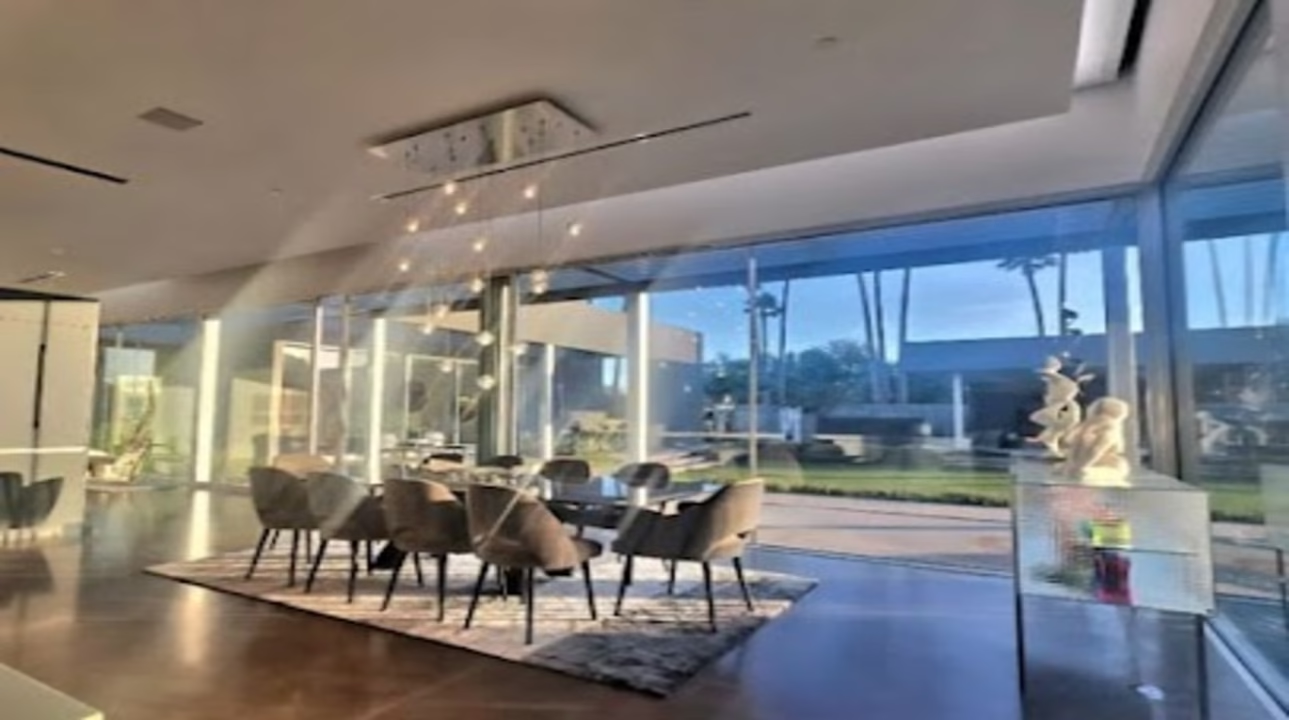
Circadian Architecture: How Light Design Shapes Sleep, Hormones, and Daily Energy
Light Is Not Decoration
Light is one of the most powerful forces shaping how a home feels. It does much more than illuminate surfaces. It influences mood, focus, sleep, and the body’s internal rhythm.
That is why circadian architecture matters so much today.
After twenty-five years in design, I have found that many people underestimate how deeply their home’s lighting is affecting them. They may think they are tired because of work or travel alone. Sometimes that is true. But often the home itself is quietly working against the body. Bright evening lighting, glare, poorly placed fixtures, and lighting temperatures that never shift throughout the day can all disrupt the natural rhythm the body relies on.
The body takes its cues from light. It uses light to understand morning, daytime, evening, and rest. When the built environment ignores this, sleep becomes harder, energy becomes less stable, and emotional balance can suffer. This is a core principle within neuro luxury design — the understanding that every sensory layer of a home, including light, either supports the body or quietly depletes it.
In truly thoughtful homes, lighting is not treated as an afterthought. It becomes part of the architecture itself.
How the Body Responds to Light
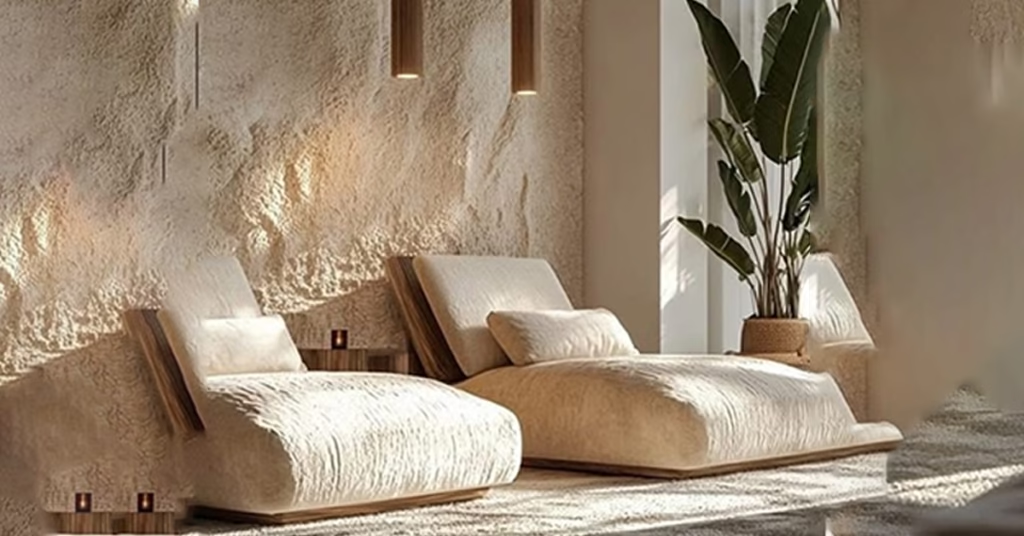
Human biology evolved in response to natural daylight. Morning light helps signal wakefulness and supports alertness. Daylight during the day helps anchor the body’s clock. As evening approaches, lower and warmer light allows the body to begin preparing for rest.
The problem is that many modern homes flatten that rhythm. Bright white lighting appears at all hours. Decorative fixtures create glare. Bedrooms are lit too intensely at night. Screens and artificial light continue stimulating the brain long after sunset.
Over time, this confuses the body.
When lighting is out of sync with biology, melatonin production can be disrupted, sleep can become lighter or later, and daily energy can feel inconsistent. People often describe this as a vague feeling of being “wired but tired.” This connects directly to how interior design affects mood and emotional balance — light is one of the most immediate and underestimated environmental levers available to designers.
That phrase is useful because it captures the tension many homes create. A visually impressive lighting plan may still feel physiologically exhausting.
What Circadian Architecture Means
Circadian architecture is the practice of designing the home in a way that respects the body’s relationship with light over the course of the day.
This means the design considers natural daylight, artificial lighting, timing, color temperature, brightness, and placement. Instead of thinking only about how a fixture looks, circadian design asks how light is being experienced at eight in the morning, three in the afternoon, and ten at night.
Good circadian lighting often includes bright, supportive daytime light in working and living areas. It also includes softer, warmer, more indirect light as evening approaches. Bedrooms and private spaces are treated with special care because that is where the body needs the clearest signal that it is safe to rest.
This approach is not only about sleep. It also affects hormones, mood, energy, and mental clarity. For clients exploring this level of environmental intelligence for the first time, our private design consultations are the natural starting point — a space to understand how your current home is performing and what a circadian-intelligent environment would feel like for your specific lifestyle.
Why Luxury Homes Need a Better Lighting Philosophy
Many luxury homes invest heavily in finishes, furniture, and statement fixtures, but they still overlook one of the most important aspects of wellbeing. The lighting is designed to impress rather than support.
That is where the philosophy needs to evolve.
A truly elevated home should not only look dramatic at night. It should feel biologically intelligent. It should support the rhythms of the people living inside it. This thinking sits at the heart of Amber Khan’s approach to spatial intelligence — that design should first ask what a space does to the body before asking what it does for the eye.
For clients with demanding schedules, high mental load, or frequent travel, this becomes even more important. They need homes that help restore circadian balance, not undermine it.
When lighting aligns with the body, the effects can be deeply felt. Sleep often becomes easier. Evenings feel calmer. Morning spaces feel clearer. Workspaces support focus without overstimulation. You can see this principle at work throughout our sanctuary-inspired portfolio, where every project is calibrated not just for how it photographs, but for how it performs in lived daily life.
The Role of Daylight
Natural light remains the most powerful foundation for circadian design.
Daylight helps regulate the body clock in a way artificial lighting still struggles to fully replicate. It supports alertness during the day and makes evening rest come more naturally later on. This is why the placement of windows, filtering of daylight, and movement of light through the home matter so much.
The goal is not harsh brightness. It is usable, well-shaped daylight.
Soft filtered morning light in a breakfast area can help the day begin gently. Daytime light in work zones can support concentration. Reflected daylight in quieter rooms can create emotional ease. Designers who understand this are not simply placing windows. They are composing daily rhythm.
This connection between light, space, and sensory experience is also central to the architecture of stillness — where visual calm, acoustic softness, and light work together to create a home that genuinely restores rather than overstimulates.
What Good Evening Lighting Feels Like
Evening lighting should never feel like daytime repeated indoors.
This is one of the most common mistakes in residential interiors. A house can be lit beautifully in a visual sense and still be far too bright and stimulating after sunset.
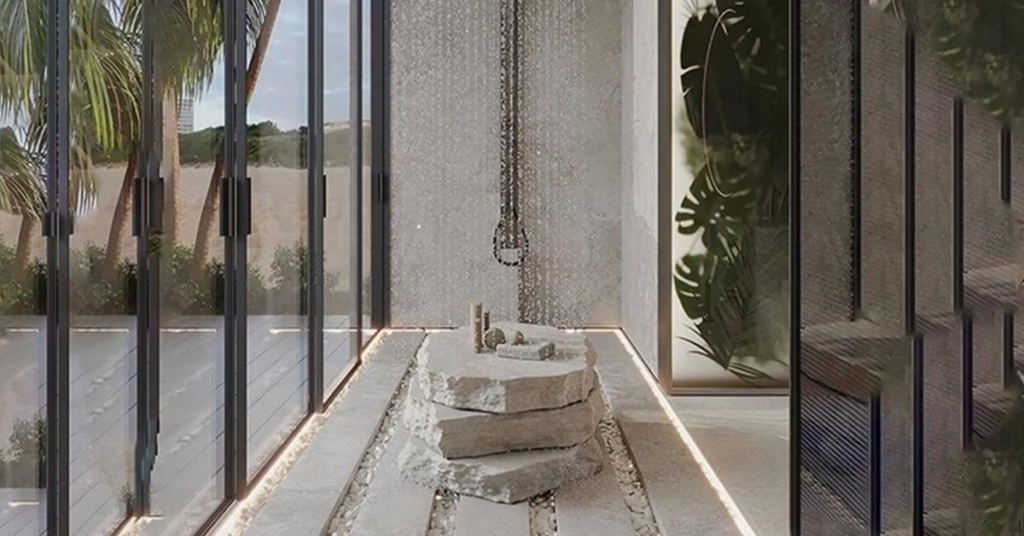
Good evening lighting feels soft, low, and warm. The source is often less visible. Glow becomes more important than glare. Light might wash a textured wall, illuminate joinery from within, or create pools of warmth rather than blanket brightness.
The body responds very quickly to this kind of lighting. Rooms feel quieter. Conversations slow down. Bedrooms start feeling like retreat spaces rather than extensions of the workday.
This principle applies with equal importance to boutique hospitality design, where evening lighting sequencing is one of the most powerful tools for shifting guests from arrival energy into restorative rest. Properties that master this create guest experiences guests cannot fully articulate — they simply know they slept better there.
How Circadian Design Supports Mood and Energy
When lighting is aligned with biology, the benefits are cumulative.
People may notice they wake more easily. They may feel more stable in the afternoon instead of crashing. They may find it easier to wind down at night. They may feel less restless in the evening and more present in the home overall.
This is not because light solves everything. It is because the home stops creating unnecessary friction.
Design can never replace health care, but it can remove environmental obstacles to better wellbeing. And lighting is one of the clearest examples of that. It is the same principle that drives our high-frequency interior design approach — every element in a space, including light, is calibrated to elevate rather than deplete the energy of the people inside it.
The Future of Luxury Is Biological
I believe the future of luxury living will be defined less by spectacle and more by support.
A home that aligns with the body’s rhythms is more valuable than one that simply performs visually. As more people become aware of circadian health, homes that ignore it will start to feel dated no matter how expensive they are.
Lighting is no longer just a decorative layer. It is part of how the home cares for the people inside it.
That is what makes circadian architecture so important. It brings design back to one of its most meaningful purposes, which is to support life well. This is the future that Live In Art Atelier has been building toward — a design practice rooted not in trends, but in the timeless intelligence of the human body.
Ready to design a home whose light truly works with your body?
FAQs
What is circadian architecture?
Circadian architecture is a design approach that uses daylight and artificial light to support the body’s natural rhythm across morning, day, evening, and night. It forms a key pillar of neuro luxury design — the discipline of creating homes that work with human biology rather than against it.
Can lighting design improve sleep?
Yes. Lighting that reduces evening glare and excessive blue-rich brightness can help support melatonin production and a calmer transition into sleep. This is one of the principles explored in depth throughout The Atelier Journal.
Why does lighting affect mood?
Lighting influences the body clock, alertness, and the way spaces are emotionally experienced. Poor lighting can feel draining, while balanced lighting can support calm and focus. For a deeper exploration of this topic, read our post on how interior design affects mental health and emotional wellbeing.
What is the best lighting for a bedroom?
Bedrooms usually benefit from soft, warm, indirect lighting that feels quiet and restful rather than bright and stimulating. The same philosophy that informs our sanctuary-inspired portfolio guides how we approach every private sleep environment — it should feel like a signal to rest, not a continuation of the day.