

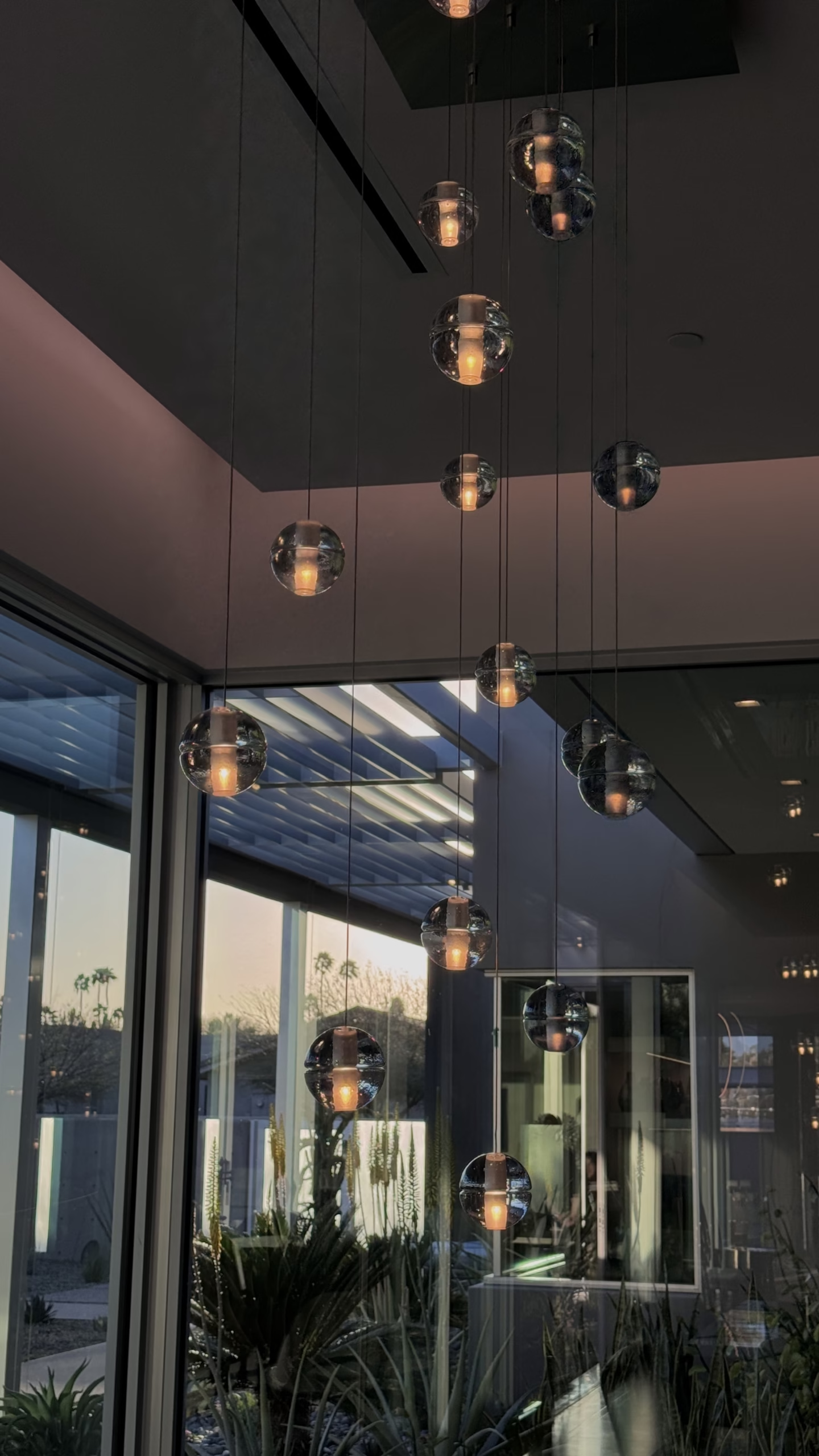
After 25 years working in interior design, I have learned something that many people overlook. A home is not only a physical space. It is an emotional environment.
People often think interior design is about aesthetics. Beautiful furniture, elegant finishes, and carefully curated color palettes. Those things certainly matter. But what truly defines a successful home is how it makes people feel.
Some spaces calm the mind the moment you walk in. Others feel strangely exhausting, even if they look visually impressive.
This difference reveals something important about how interior design affects mental health. The environments we live in constantly influence our mood, stress levels, and overall sense of wellbeing.
In my work, particularly within neuro luxury design, the focus goes beyond decoration. The goal is to create homes that support the nervous system and encourage emotional balance.
Why Our Homes Influence Our Mental State
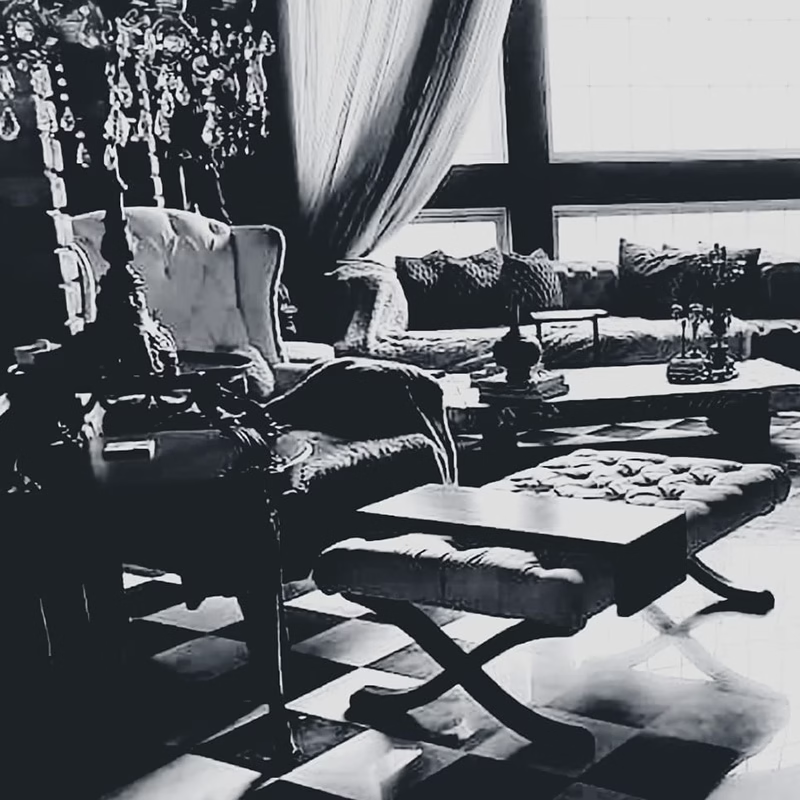
Human beings are deeply responsive to their surroundings. Our brains are continuously processing environmental signals such as light, spatial arrangement, color, and texture.
These signals influence how relaxed or alert we feel.
When a space is visually overwhelming or poorly arranged, the brain must work harder to process it. Over time this can contribute to mental fatigue and stress.
A thoughtfully designed home, on the other hand, supports emotional clarity. It can create a sense of calm, encourage focus, and provide a restorative atmosphere after a long day.
This is one of the key reasons conversations about interior design and mental health are becoming more prominent in the design industry.
Color and Emotional Wellbeing
Color plays a powerful role in shaping our emotional response to a space.
The human brain reacts to color almost immediately. Some tones create calm while others stimulate energy or tension.
Soft greens and muted blues are often associated with relaxation. Warm neutrals tend to create comfort and stability. Earth tones bring a grounded feeling that many people find reassuring.
When colors clash or feel overly intense, the mind may experience visual fatigue.
For this reason, many designers today approach color with psychological awareness. Instead of focusing purely on trends, the goal becomes creating palettes that feel harmonious and emotionally supportive.
Understanding how color affects mood in interior design is one of the most important steps toward creating a home that truly nurtures wellbeing.
Lighting and Mental Health
Lighting has a surprisingly strong influence on emotional balance.
Natural daylight helps regulate the body’s circadian rhythm, which controls sleep patterns, mood, and daily energy levels. Homes that welcome natural light tend to feel more uplifting and restorative.
Artificial lighting also plays an important role.
Harsh overhead lighting can feel draining over time. Layered lighting creates a much more comfortable environment. Ambient lighting softens the atmosphere, task lighting improves focus, and accent lighting adds warmth and depth.
A thoughtful lighting plan transforms the emotional experience of a home.
When people ask how interior design affects mood and wellbeing, lighting is often one of the most important answers.
The Hidden Stress of Clutter
Clutter is more than a visual issue. It can create cognitive stress.
Every object in a room competes for the brain’s attention. When too many elements are present, the mind has difficulty relaxing.
This is why cluttered environments often feel overwhelming.
A well-designed space usually feels open and breathable. Furniture is arranged with intention. Decorative objects are meaningful rather than excessive.
This does not mean a home must feel minimal or empty. Personality and character are essential. However, balance and restraint allow the mind to rest.
Many people notice a significant improvement in mood when their homes become visually calmer.
Layout and Spatial Comfort
The way furniture is arranged also influences how comfortable a room feels.
A thoughtful layout allows people to move naturally through a space. Pathways remain clear and seating areas feel inviting.
When layouts are cramped or poorly planned, the body experiences subtle tension.
Spatial harmony plays an important role in wellness focused interior design. When furniture proportions, room flow, and focal points are properly balanced, the entire environment becomes easier to experience.
Rooms should feel intuitive rather than restrictive.
Good spatial design quietly supports everyday life.
Natural Materials and Biophilic Design
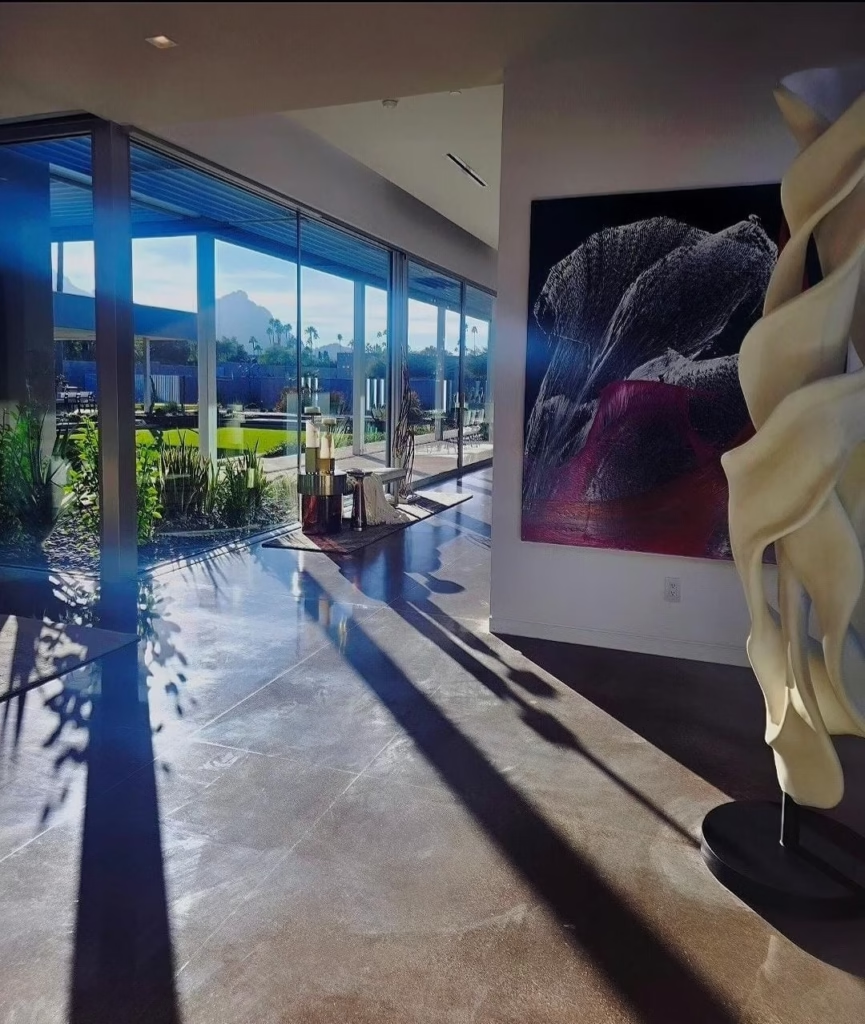
Human beings naturally respond to nature. This connection is the foundation of biophilic design.
Natural materials such as wood, stone, linen, wool, and clay often create warmth and comfort within interiors. These materials bring texture, authenticity, and a sense of grounding.
Even small natural elements can improve the atmosphere of a home.
Indoor plants, natural light, textured fabrics, and organic surfaces soften the environment and reduce sensory stress.
In luxury interiors that prioritize wellbeing, these materials help create spaces that feel calm and restorative.
This is another reason interior design influences mental health more than many people realize.
Designing Homes That Support Wellbeing
Today many designers are shifting their focus toward wellness oriented interiors.
Clients are no longer interested only in stylish homes. They want homes that feel emotionally supportive.
This approach considers how every element contributes to the experience of living in the space.
Color, light, materials, layout, and texture all work together to create environments that nurture clarity and calm.
When design is approached with this level of care, a home becomes something more than a physical structure.
It becomes a sanctuary.
Final Thoughts
After more than two decades in the design industry, I have come to believe that the best interiors share one defining quality.
They make people feel good.
Not just impressed or inspired, but genuinely comfortable. A well-designed home allows the mind to settle and the body to relax.
That is the true value of thoughtful design.
Understanding how interior design affects mental health reminds us that our homes shape our daily experience in subtle but powerful ways.
When color, light, layout, and materials work together, a home becomes more than beautiful.
It becomes a place that supports the mind, restores energy, and brings a sense of peace to everyday life.
FAQs: Interior Design and Mental Health
How does interior design affect mental health?
Interior design affects mental health by shaping the environment people experience daily. Factors such as lighting, color, spatial layout, and natural materials can influence mood, stress levels, and overall emotional wellbeing.
What interior design elements improve wellbeing?
Elements that support mental wellness include natural light, calming color palettes, organized layouts, comfortable textures, and natural materials like wood or linen.
Can a well-designed home reduce stress?
Yes. Thoughtful interior design can reduce visual clutter, improve comfort, and create a calming atmosphere that helps people relax and recover from daily stress.
Why are natural materials important in interior design?
Natural materials create warmth, texture, and a connection to nature. These qualities help reduce sensory stress and support emotional comfort in living spaces.