


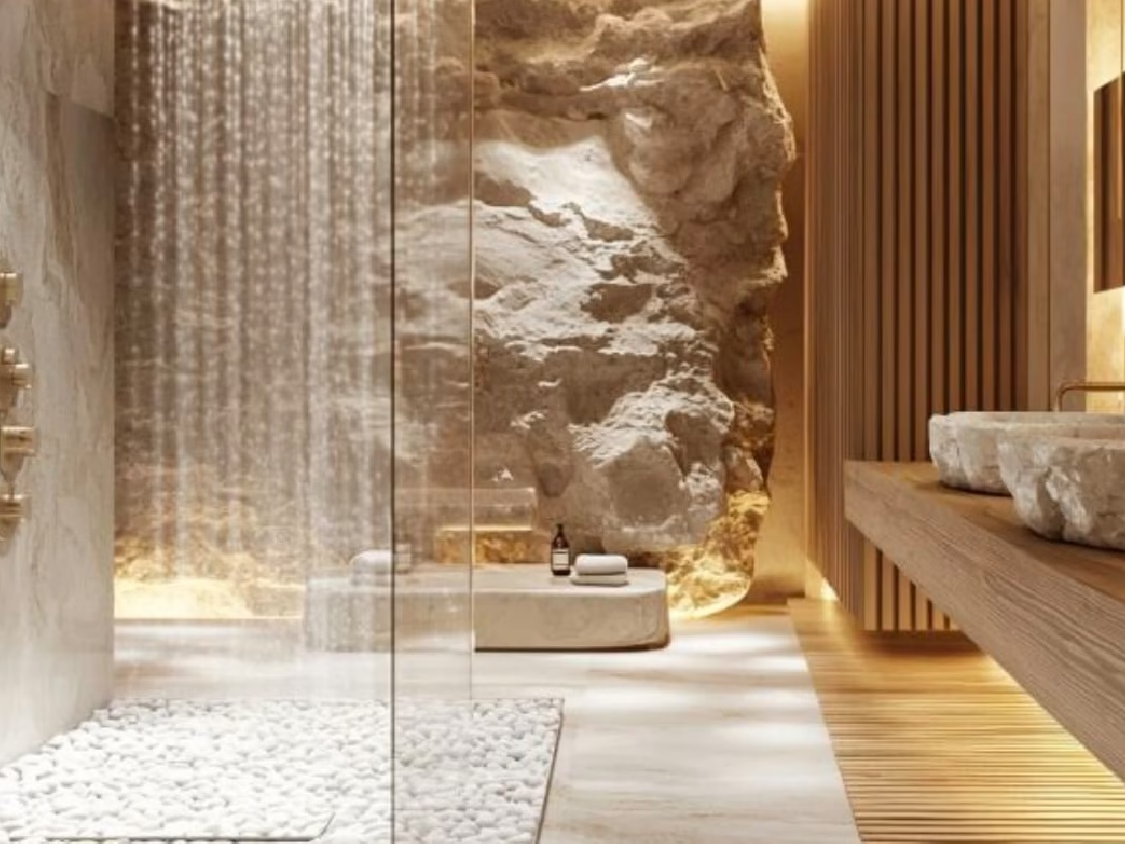
Modern homes are no longer designed only for beauty. Today, people want spaces that help them feel calm, emotionally balanced, focused, and deeply connected to themselves. That is where wellness interior design becomes essential.
In a world filled with digital overload, stress, anxiety, and emotional exhaustion, the design of a home can directly affect mental health. From lighting and textures to spatial flow and sensory experience, every design decision influences how the nervous system responds inside a space.
For brands and studios focused on neuro luxury interior design, living altars, salon interior design, and emotionally restorative spaces, wellness design is not simply a trend. It is a therapeutic design philosophy.
Research shows that biophilic and human-centered interiors can reduce stress, improve mood, support cognitive function, and enhance emotional wellbeing.
What Is Wellness Interior Design?
Wellness interior design is the practice of creating spaces that positively support physical, emotional, mental, and spiritual wellbeing.
Unlike traditional interior design that focuses mainly on appearance and functionality, wellness-focused interiors are intentionally designed to regulate the nervous system and improve quality of life.
This design approach combines:
- Neuroaesthetic principles
- Biophilic design
- Sensory-conscious interiors
- Natural materials
- Circadian lighting
- Emotional spatial planning
- Air and acoustic wellness
- Ritual-based living spaces
- Mindful furniture placement
- Restorative color psychology
The goal is simple: create interiors that help people feel safe, calm, inspired, and emotionally restored.
According to the Global Wellness Institute, wellness-centered interiors strengthen the human connection with nature through light, textures, greenery, organic forms, and sensory harmony.
Why Wellness Interior Design Matters for Mental Health
Most people spend nearly 90% of their time indoors. When interiors are cluttered, overstimulating, poorly lit, or emotionally disconnected, they can increase stress, fatigue, and anxiety.
On the other hand, restorative environments help regulate emotions and create psychological comfort.
Studies on biophilic and neuroinclusive design found that natural elements, daylight, organic materials, and sensory balance can support stress recovery, emotional wellness, and cognitive clarity.
A wellness-centered home can influence:
- Stress levels
- Sleep quality
- Emotional regulation
- Productivity
- Focus and creativity
- Mood stability
- Nervous system balance
- Social connection
- Mindfulness and ritual
For individuals experiencing burnout, anxiety, ADHD, sensory sensitivity, or emotional fatigue, interior environments become deeply important.
The Connection Between Neuro Design and Emotional Wellness
Neuro luxury interior design goes beyond aesthetics. It studies how the brain and body respond to spaces.
Every texture, sound, scent, color, and spatial arrangement triggers emotional reactions inside the nervous system.
For example:
- Harsh lighting may increase anxiety
- Cluttered rooms can create mental fatigue
- Poor acoustics may overwhelm sensitive individuals
- Cold materials can feel emotionally disconnected
- Organic curves and soft textures often create comfort
Neuroinclusive interiors focus on creating sensory harmony instead of sensory overload.
Experts in neuroinclusive design explain that thoughtful spaces can improve emotional regulation and reduce overstimulation for both neurodivergent and neurotypical individuals.
This is why luxury wellness interiors are shifting toward softer environments with intentional sensory experiences.
Key Elements of Wellness Interior Design
Natural Light and Circadian Rhythm
Lighting is one of the most powerful tools in wellness interiors.
Exposure to natural daylight helps regulate circadian rhythms, improve sleep patterns, and stabilize mood. Poor lighting, especially artificial blue light exposure, can disrupt mental wellbeing.
Large windows, layered lighting, warm ambient illumination, and daylight optimization are essential in restorative design.
Modern wellness interiors often use:
- Warm dimmable lighting
- Natural daylight exposure
- Soft indirect lighting
- Sunrise-inspired bedroom lighting
- Shadow-conscious design
Research in architecture and wellness shows that daylight-centered interiors can significantly reduce stress and support healthier living environments.
Biophilic Interior Design
Biophilic design is a core foundation of wellness interiors.
It reconnects people with nature through:
- Indoor plants
- Natural textures
- Water features
- Earth-inspired color palettes
- Organic shapes
- Natural ventilation
- Landscape views
Scientific studies consistently show that exposure to natural elements improves mood, lowers stress, and enhances cognitive performance.
In luxury residential design, biophilic styling is evolving into immersive sensory experiences rather than simply adding decorative plants.
Emotional Color Psychology
Color directly affects emotional states.
Wellness interiors often use calming and grounding palettes such as:
- Warm neutrals
- Earth tones
- Soft greens
- Muted clay colors
- Stone-inspired shades
- Dusty blues
Bright overstimulating colors are used carefully and intentionally.
The objective is emotional balance rather than visual intensity.
Sensory-Conscious Materials
Materials influence how spaces feel emotionally.
Wellness interior design prioritizes:
- Natural stone
- Linen
- Wood
- Clay
- Organic textiles
- Handcrafted surfaces
- Matte finishes
These materials create warmth, authenticity, and sensory softness.
Luxury neuro interiors avoid overly reflective, synthetic, or visually chaotic finishes that can increase sensory fatigue.
Living Altars and Sacred Emotional Spaces
One of the most powerful aspects of wellness interior design is the creation of intentional emotional spaces.
Living altars are becoming increasingly popular in luxury wellness homes because they provide emotional grounding and ritual connection.
A living altar may include:
- Candles
- Spiritual objects
- Natural stone
- Meaningful artwork
- Journals
- Flowers
- Meditation seating
- Sacred textures
These small mindful corners encourage stillness, reflection, and nervous system regulation.
In high-end wellness interiors, emotional meaning is now considered as important as visual beauty.
Wellness Interior Design in Luxury Salons
Salon interior design is also shifting toward wellness-centered experiences.
Modern salon spaces are moving away from harsh, overstimulating environments toward calming sensory experiences that support relaxation and emotional comfort.
Luxury wellness salons now prioritize:
- Acoustic comfort
- Soft lighting
- Grounding textures
- Calming scent design
- Organic materials
- Spatial breathing room
- Hospitality-inspired layouts
Clients no longer seek only beauty services. They seek emotional restoration and nervous system calm.
This is why wellness salon interiors are becoming a major direction in luxury commercial design.
The Future of Wellness-Focused Interiors
The future of interior design is deeply connected to mental wellness.
People are becoming more emotionally aware of how environments affect their mood, sleep, focus, and overall wellbeing.
However, designers are also warning against “wellness washing,” where spaces only appear calming visually without truly supporting human wellness. Authentic wellness design must focus on sensory experience, functionality, airflow, comfort, and emotional regulation.
The next generation of luxury interiors will combine:
- Neuroscience
- Emotional psychology
- Biophilic principles
- Ritual-centered living
- Sensory design
- Sustainable materials
- Human-centered spatial planning
Wellness interior design is no longer optional. It is becoming essential for modern living.
Final Thoughts
A home should do more than look beautiful. It should help people heal, think clearly, feel emotionally safe, and reconnect with themselves.
That is the true power of wellness interior design.
From neuro luxury residences to restorative salon interiors and sacred living altar spaces, wellness-centered environments are redefining modern luxury. They are creating homes that nurture the nervous system, support mental health, and transform daily life into a calmer and more intentional experience.
As emotional wellbeing becomes a global priority, wellness interiors will continue to shape the future of luxury design in meaningful and deeply human ways.